
The Trailblazers Who Helped Build the Way
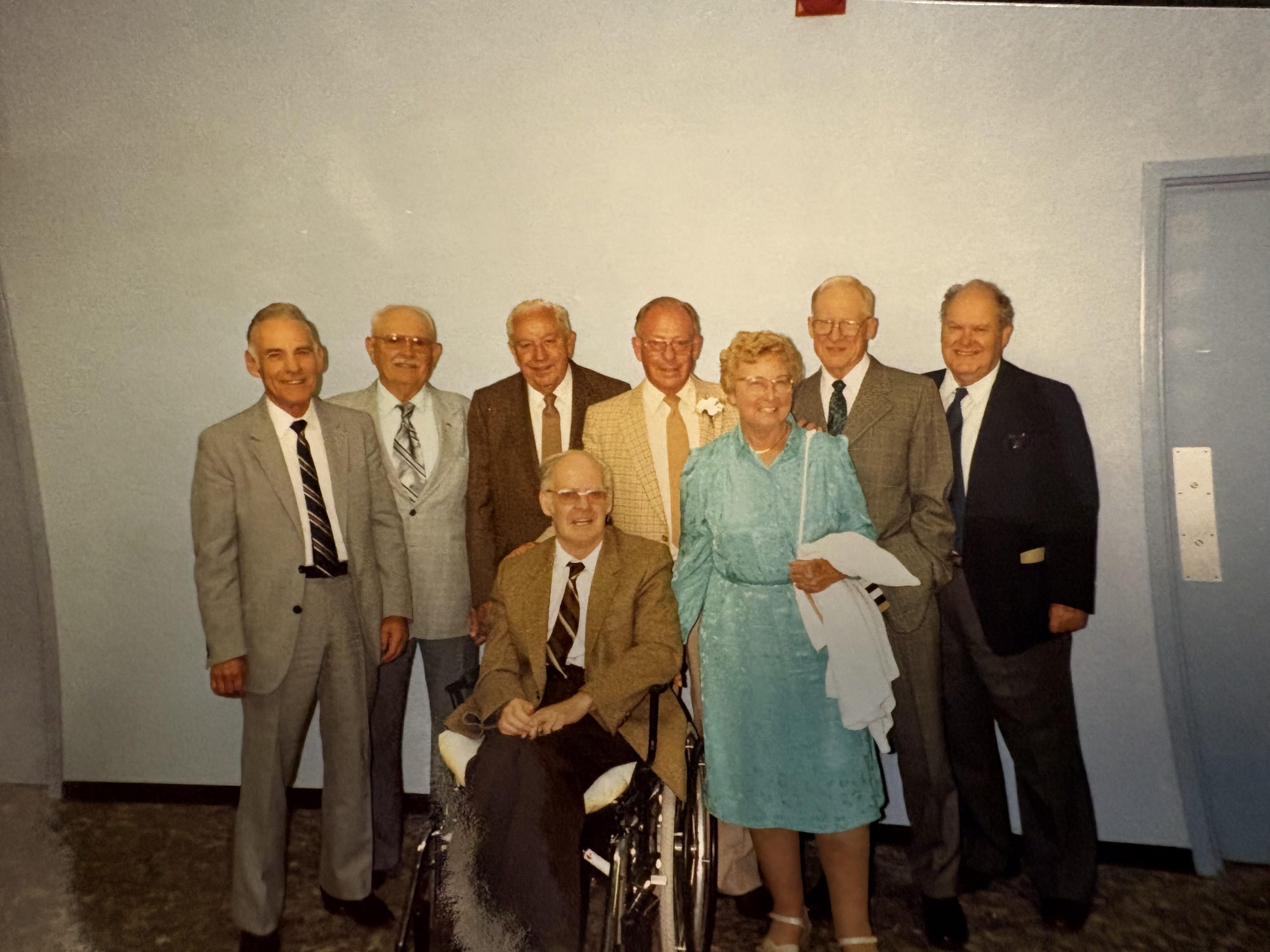
Every organization has people who see possibilities before others do. They step forward, build relationships, champion new ideas and help create something that lasts.
ARPA has been fortunate to have many of these trailblazers.
This section celebrates some of the early leaders who helped shape the Alberta Recreation and Parks Association—and, in many cases, helped build the recreation and parks sector across our province. Their vision, commitment and willingness to lead helped lay the foundation for the work that continues today.
We have done our best to uncover and document the stories of these early leaders, but history is rarely complete. We know there are people whose contributions may not yet be represented here, and we sincerely apologize for any omissions.
As you explore these stories, we invite you to meet some of the people who helped blaze the trail for ARPA and Alberta’s recreation and parks community.
Their legacy is part of our story—and their trail continues to guide the way forward.
Al Affleck
Trailblazer in Education, Student Involvement, Commitment and Spirit
By Iheoma Uzomba
Alan Affleck was a foundational figure and Professor of Recreation and Leisure Studies at the University of Alberta. He taught at the U of A from 1951 until his retirement in 1983.
He was a pioneer in recreation education in Alberta and inspired generations of students and leaders. He was forever working on his thesis having completed the required courses for his doctorate but somehow real life always got it the way and the paperwork seemed not to matter.
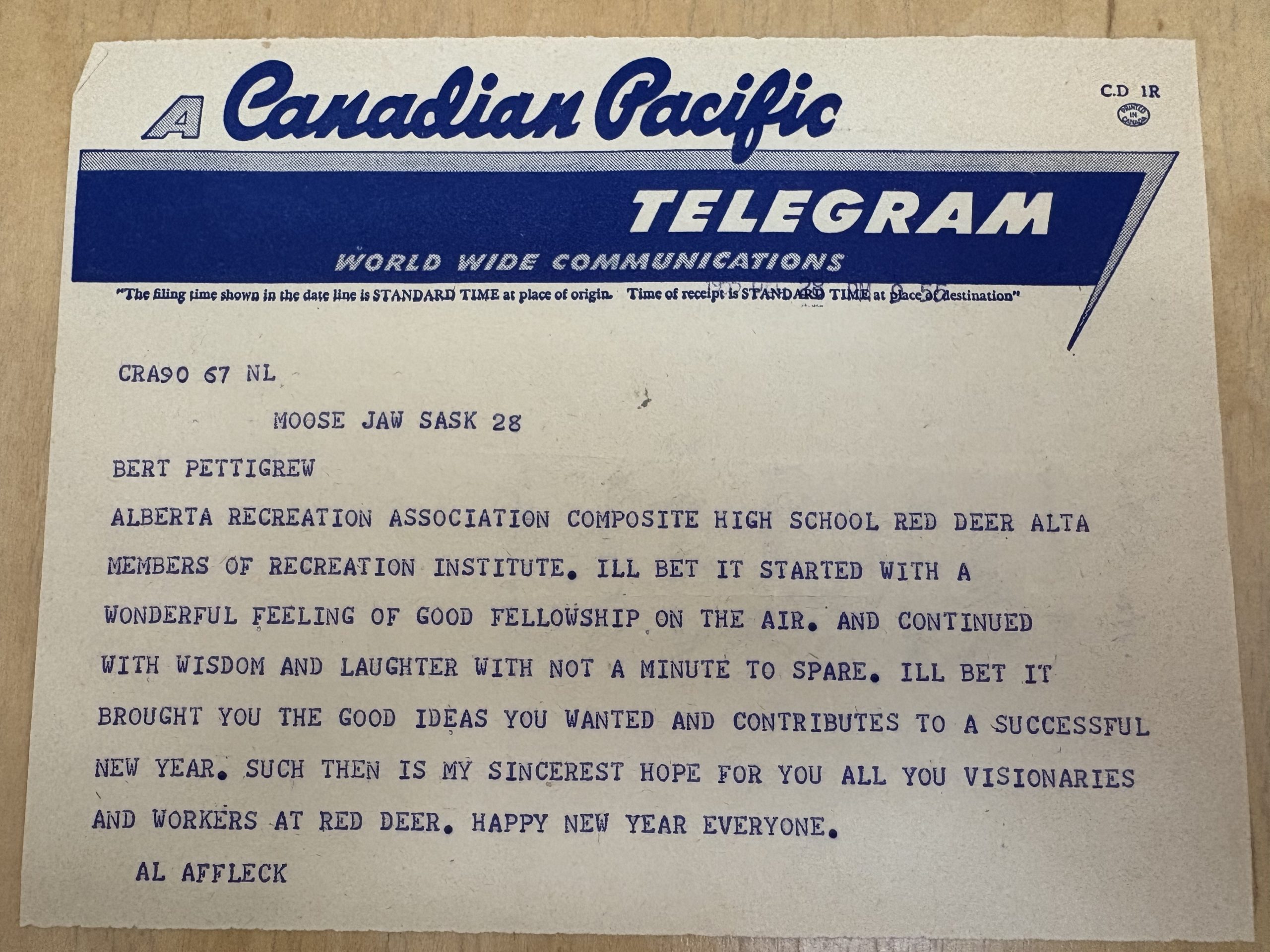
Tongue in cheek, Al Affleck wrote in the 1950’s ARA work plan “the Alberta Recreation Association needs a “Sparker”, a good-natured “rumble chairman” ….to act as an expeditor, catalytic agent and stunt coordinator to help the president get the “esprit de corps” message across!” Al definitely became that spark!
November 1, 1956 ARA published its first newsletter; the editor was Al Affleck. Al had suggested to the Board a weekly newsletter: they dampened his enthusiasm by saying every two weeks would be an admiral goal.
Between November, 1956 and mid 1959, 40 newsletters were mailed to members. A “who’s who of recreation in Alberta” contributed articles: Al Affleck, Dr. Maury Van Vliet, A.V (Bert) Pettigrew, Jarvis Miller, Don Moore, Elsie McFarland. Jack Riddel. David Critchley. Jack Boddington, Helen Magnuson, Father Primeau, Don Harvie, Jake Vandenbrink, Bill Bathgate, Reg Houghton, Ted Van Beizen, Peter Fanning, Alex Kaleta, Bill Dymaniw, Clark Burlington, Cecil Newby, Bill Savage, Wade Magnum, Walter Kaasa, Wm Garnet, Gil Gilmet and Lefty Eshpeter. (9 of these were presidents of ARA in the 50’s and 60’s). Many could just not say “no” to Al’s request for articles. All subjects were “recreation” in nature.
Al was president of ARPA in 1965-1966.
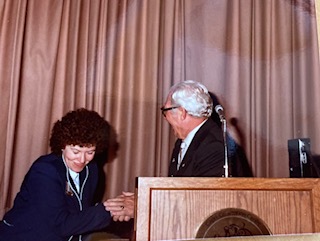
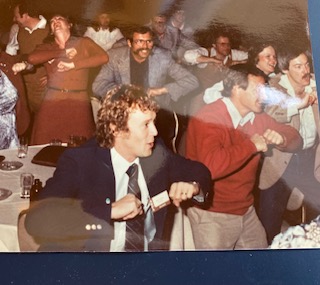
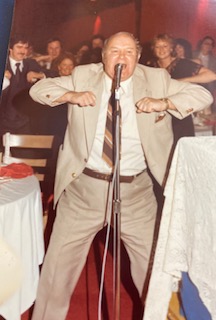
From the fifties to the eighties, Al became that “sparker”, that “rumble chairman” for ARPA as well as national organizations. Many remember his “Like a Tiger!” chants or “Peter and the Wolf”. No one could prance across the stage or captivate a room the way Al could. He was bigger than life!
He was an inspiration, mentor and model to decades of students and colleagues. His passion, humour and generosity was legendary.
He was truly an ARPA trailblazer!
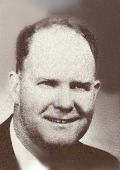
Don Moore
Trailblazer in sports, recreation, volunteerism, leadership and facility development
Don Moore spent a lifetime as an athlete, coach, fundraiser, administrator and facility developer in Red Deer, Alberta and all of Canada. When people talk about him, they use words like icon, humble, visionary, integrity, soft-spoken and principled.
Don was involved in many provincial and national sporting and recreation organizations and has been awarded honours by many of them. This statement focuses on his contributions and involvement in the Alberta Recreation and Parks Association.
After coaching a number of sports at the community level in Calgary Don moved to Red Deer in 1954 to work in the Sports Department of Builder’s Hardware. In 1956, he became Assistant Recreation Director for the City of Red Deer and in 1962, with the retirement of Jarvis Miller (ARPA President 1956-57), he became Director of recreation (later Recreation and Culture) a position he held until 1985 when he was appointed Director of Community Services.
Don became a member of the then Alberta Recreation Association in the late 50’s and was one of the first graduates of the Alberta Recreation Directors Program lead by Dr. Elsie McFarland (who was with the provincial government) and Dr. Curly Tyler from Brampton University. Don was president of ARPA from 1960-1962.
Don was an Advisory Committee member for the City of Red Deer and ARPA for the Southern Alberta Institute of Technology Recreation Course, Red Deer College and the U of A Recreation Degree Program. He authored many of the early ARPA resolutions on hockey coaching development, Red Cross, the importance of Games and professional development. He was the resource for the cross Canada CP/RA seminars “Facilities – Consideration for Success” in 1979-80.
Perhaps one of his most memorable presentations to government was his “standing” offer for Red Deer to host games if others communities did not come forward. He then mentored communities to put in bids for the summer and winter games.
Don pioneered the joint use agreements between boards of education and the City of Red Deer….where “no” money was exchanged. He spoke at many conferences and chaired several ARPA seminars and conferences. During his time in Red Deer he was instrumental in establishing facilities and golf courses. He was a leading advocate for the Dawe Centre and community schools. He was a leader in the concept, design and development of Waskasoo Park. He was a member of the Alberta Sports Council, an advocate for the Alberta Sports Hall of Fame being built in Red Deer and the founding President of the Alberta Association of Recreation Facility Personnel.
He received countless awards for sport, recreation and leadership across Canada. Specific to our association, Don Moore received one of the first Energize Awards in 1977, CPRA Award of Distinction 1985, ARPA Wild Rose Award 1987, ARPA’s 50th Anniversary Legends Award 2001 and Queen Elizabeth’s Platinum Jubilee Award 2024
Don continued his involvement in ARPA long after his term as president, mentoring an entire generation of Board members. He was definitely a trailblazer in recreation, sport, facility and park development in Alberta and left a legacy of family involvement in recreation and volunteerism.
Growing up “Moore” – The Legacy of Family Involvement
A quote from a letter of support on Don Moore’s nomination to the “Alberta Sports Hall of Fame” in 2008 written by Lowell Hodgson (ARPA president 1992-93):
“Don Moore is a family man. A very proud husband, father, grandfather, and great-grandfather. He models what it is to be a real man and I think this is extremely important when a person was in the public eye as his positions were.”
A second quote from his granddaughter, Amanda Ankuyi:
“It wasn’t until I entered the Recreation Administration Diploma Program at Red Deer College and attended my first ARPA conference as a student that I truly began to understand the impact my grandpa had of the field of recreation – particularly in shaping Red Deer’s exceptional programs and facilities.”
And from Don himself:
“One of the things I look on with pride is the number of people I coached that have carried on what might be called a tradition, by getting into a career that fosters good things.”
Don’s five children (Rick, Glenn, Linda, Judy and Liz) all talk about their mom, Gloria, being an equal partner, if not CEO, in the recreation emphasis at home. They remember Sunday being family day where they would go swimming, skating or skiing together. They and their children relished in the family Olympics at their cabin and activities elsewhere. They mention their Dad stepping up as a parent coach in his children’s activities and as supporter/spectator of his grandchildren’s activities.
Several of Don and Gloria’s children took recreation training (being participants in the Drumheller Leadership school, Red Deer College, Mount Royal College, etc. At that time, the City of Red Deer (as did other major cities) had a policy about family members not working in the same department, so the Moore children found jobs outside of Red Deer or followed another one of their dad’s passions, volunteerism. Volunteering was something Don felt strongly about and it became a “natural expectation” that his children would give back in the same way they had benefited from others’ efforts. Community service was and is important to the Moore family
Three of the Moore grandchildren, Amanda, Tiffany and Graeme, currently work in the field of recreation.
Don’s influence reached far beyond his professional accomplishments. Through his example, life and family he showed that recreation is about community inclusion and quality of life. These lessons stay with his children and grandchildren.
A family quote (many said this in different ways):
“The work we continue to do in sport, recreation, volunteerism, leadership and community is part of the legacy he began. His passion for recreation, his commitment to fairness and service and his belief that everyone deserves the opportunity to participate continue to influence us and the generations that follow.”
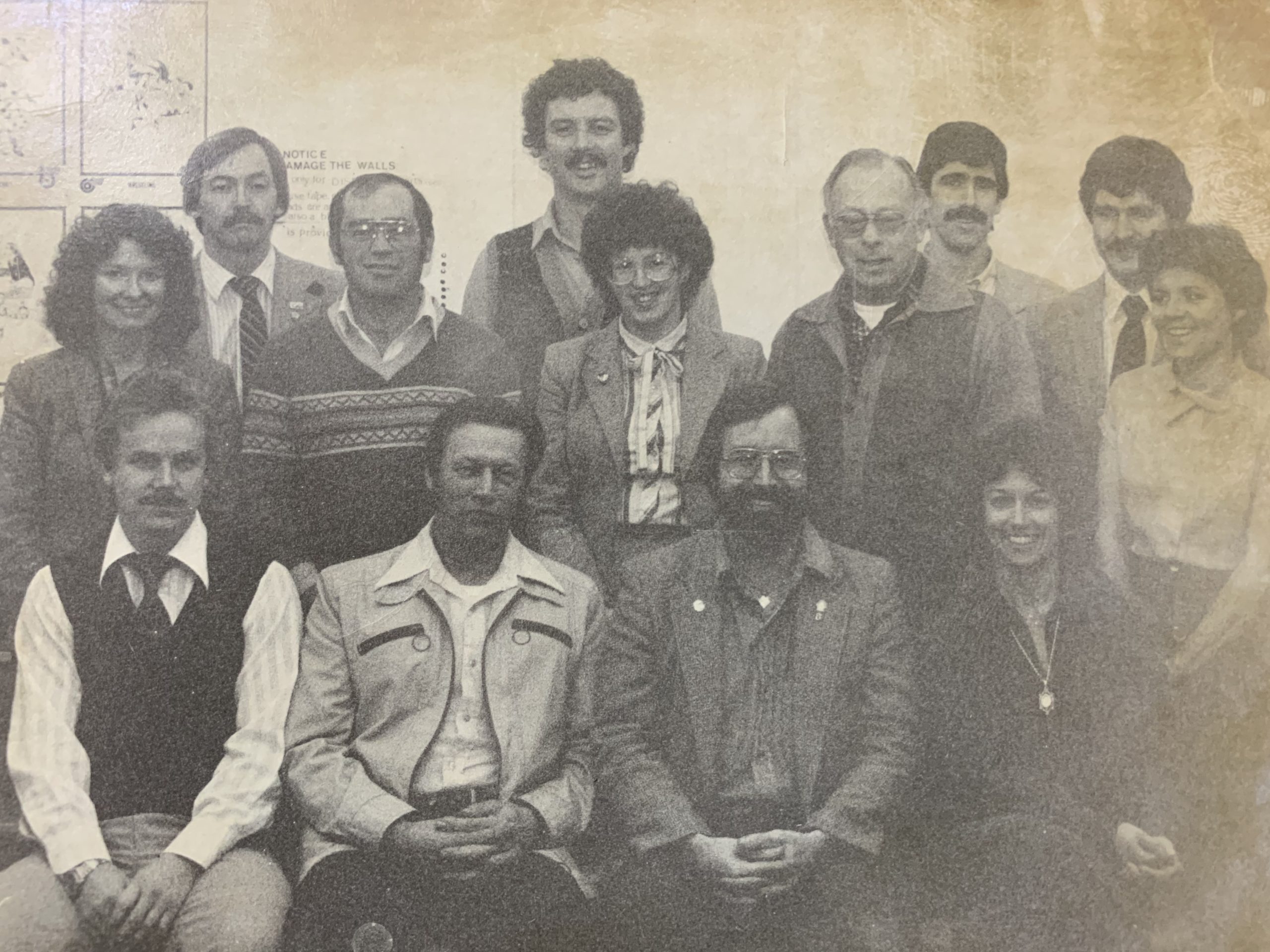
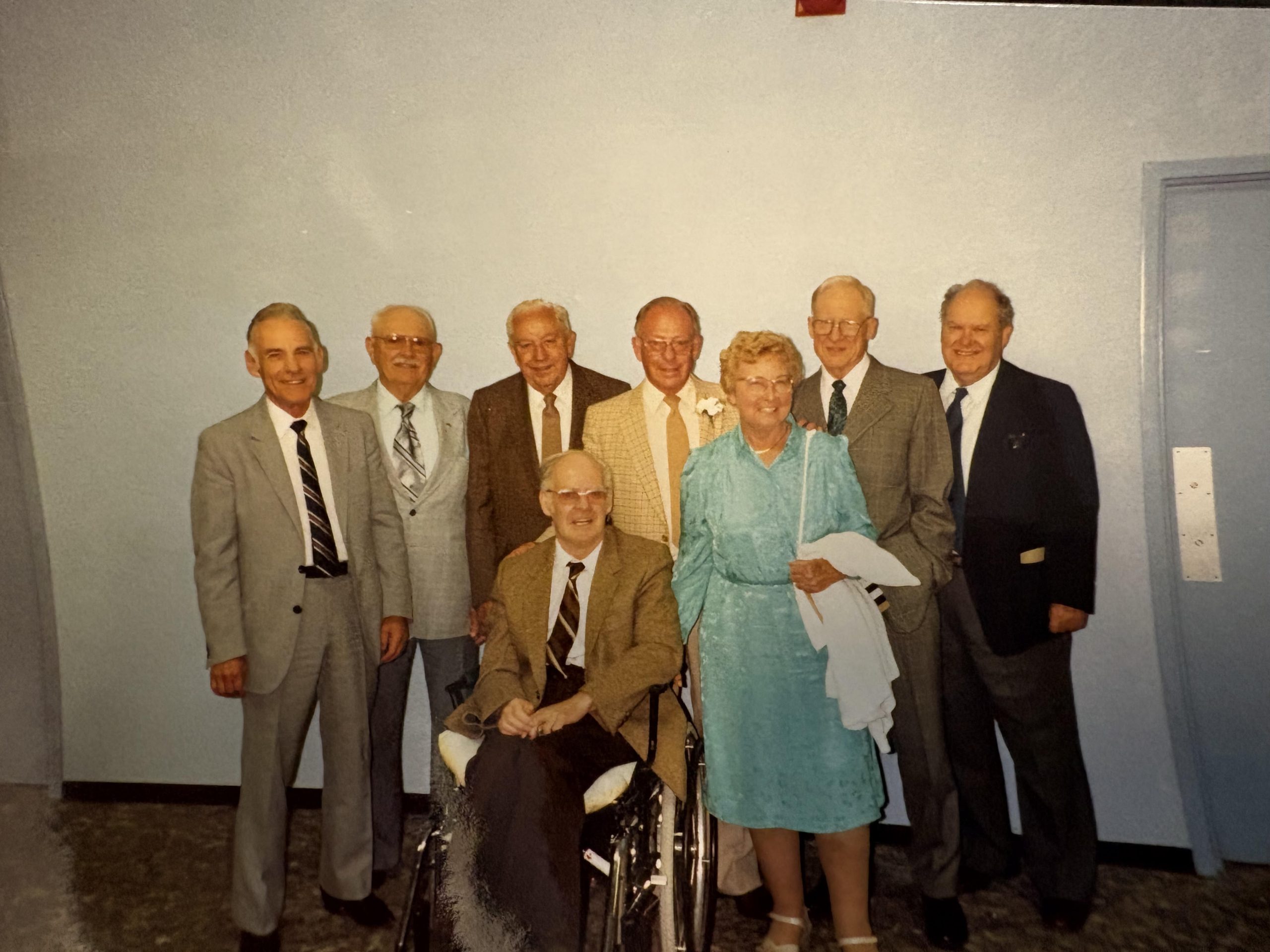
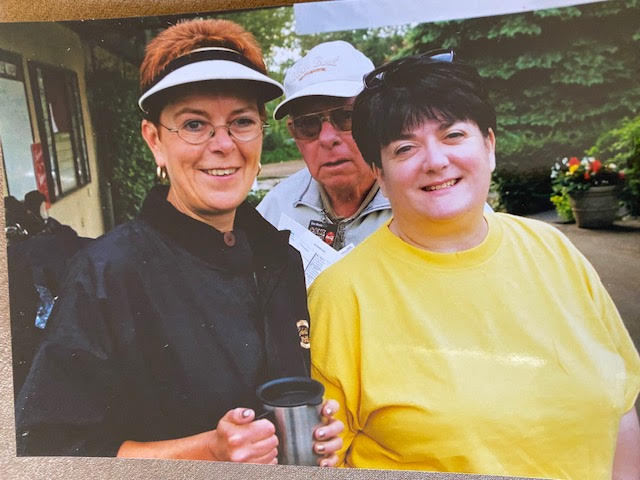
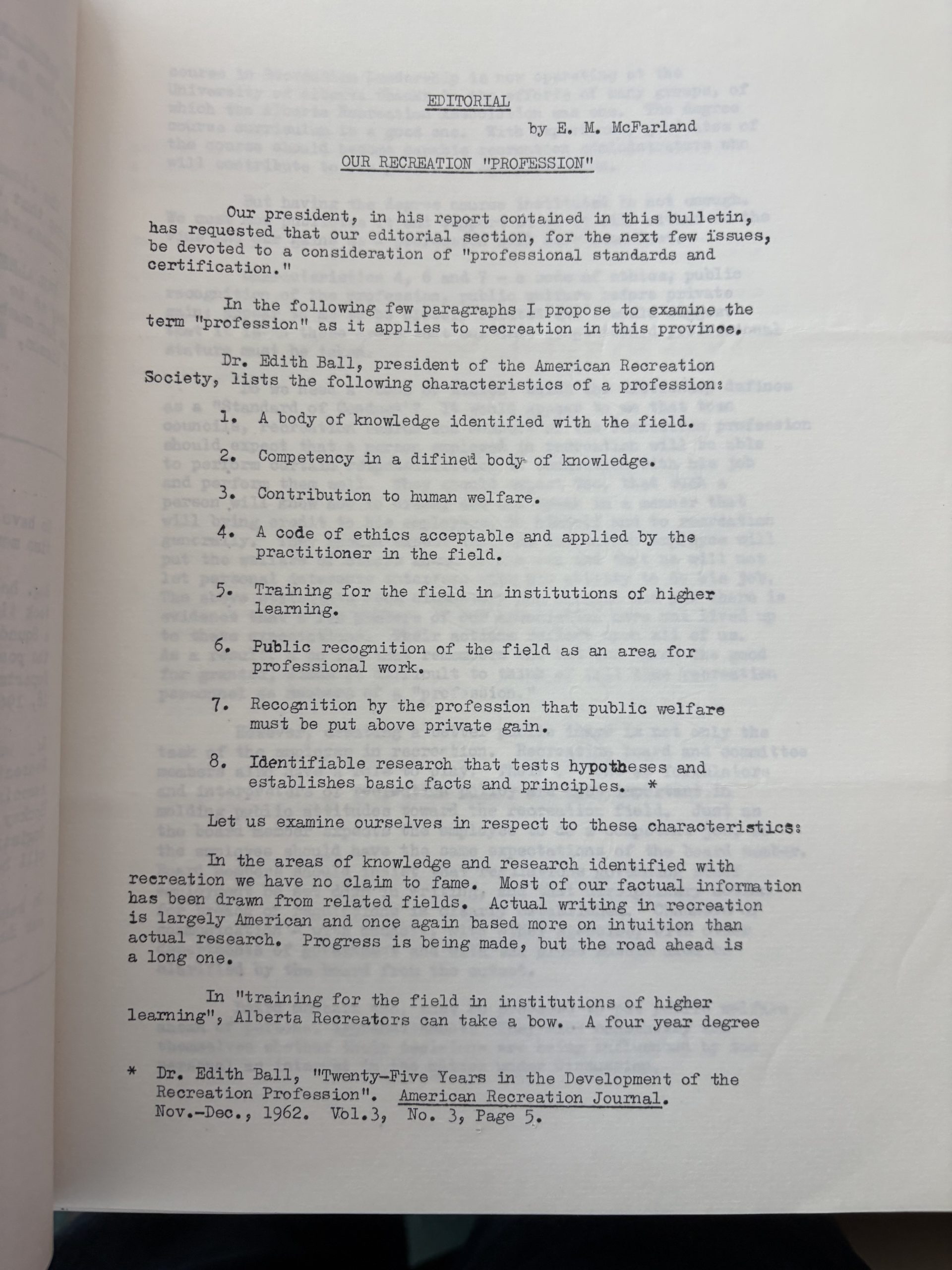
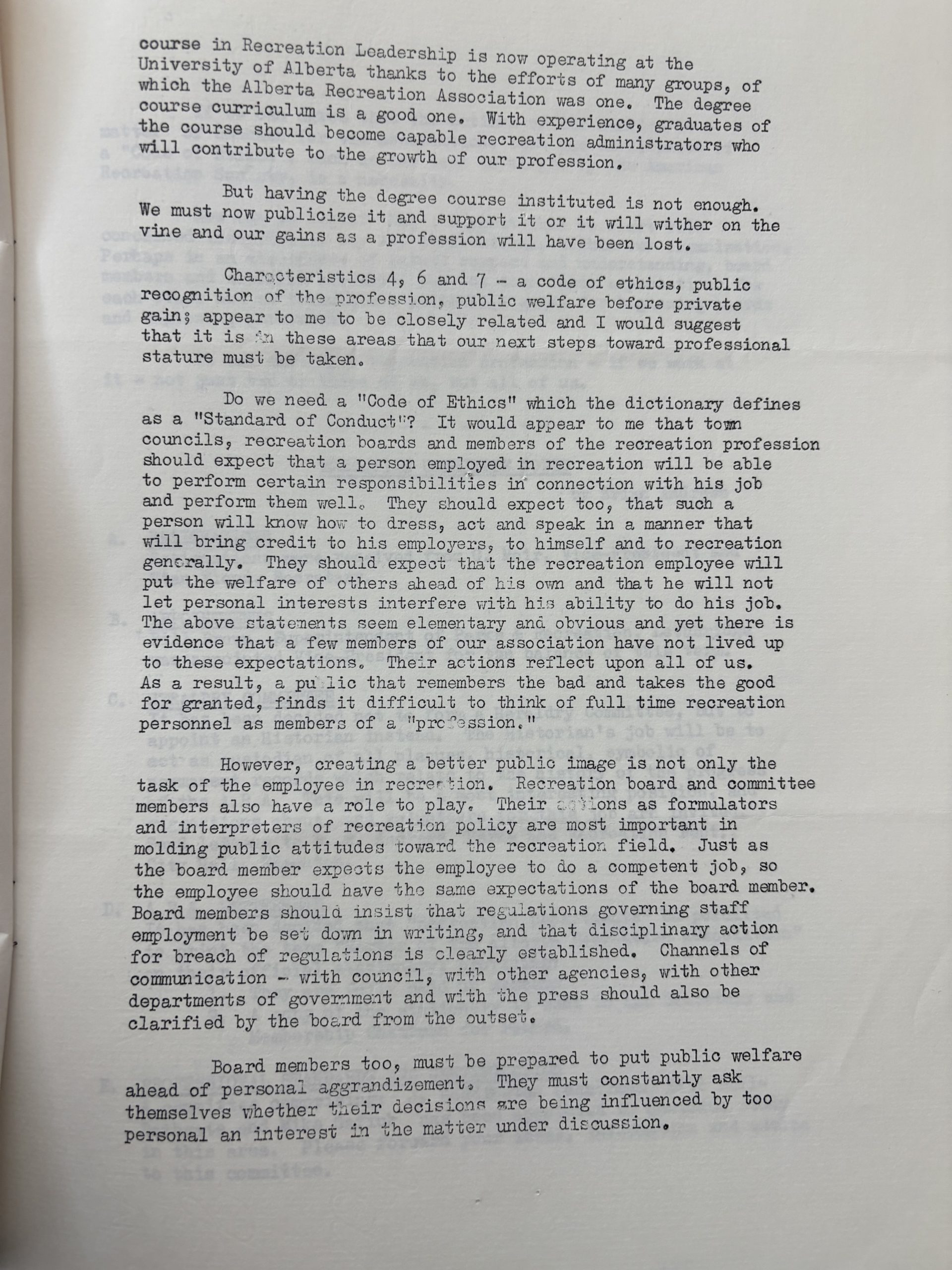
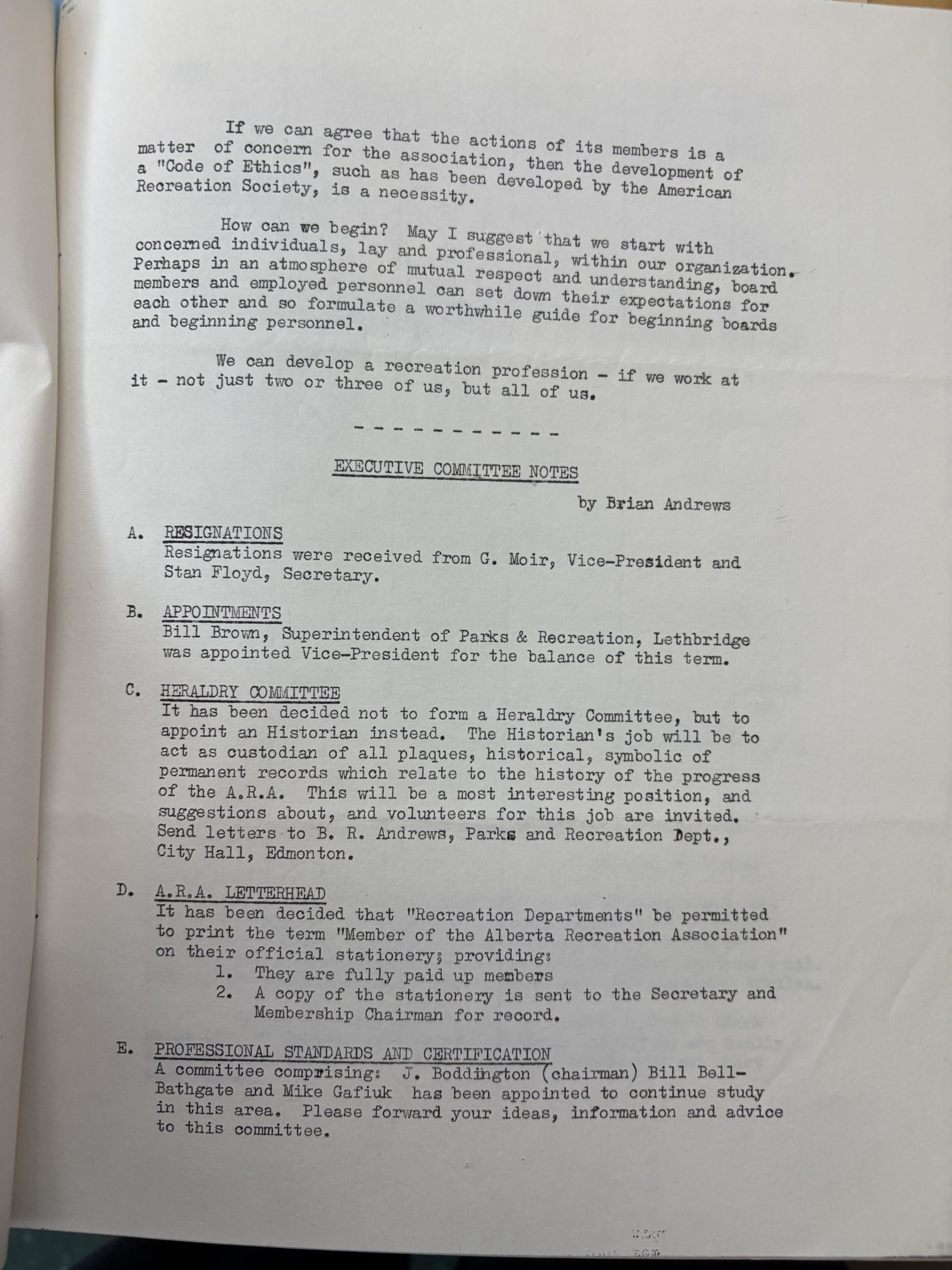
Elsie McFarland
Trailblazer for recreation, education, students and women in recreation
Elsie was born in 1922 and raised in the rural area of Twin Butte, near Pincher Creek Alberta. She began her career as a teacher in the Pincher Creek and
Athabasca School Division. She received her BEd degree at the U of A in 1947. She also attended the Alberta Leadership School between 1946 and 1949 which changed her course slightly. After two years as a teacher for the Edmonton School Board, she attended the University of Wisconsin on a national fitness scholarship and received a MSc in Physical Education (1951).
Elsie was an assistant supervisor with the Health and Recreation Branch of the Department of Education and she assumed responsibility for the branch in 1954. When responsibility was transferred to the newly formed Department of Youth, she became Director of the Recreation Branch. As the senior recreation administrator in Albertan, she was instrumental in the growth of recreation. She earned her Ph/d at the University of Illinois in 1069, becoming the first woman in Canada to obtain a PhD in Recreation Administration.
During 1973 and 74, Elsie served as Assistant Deputy Minister with responsibility for recreation development in the Department of Culture Youth and Recreation. After 23 years with the Government of Alberta, she accepted an appointment as professor and chair of the Department of Recreation Administration at the University of Alberta. She remained chair until 1979 and continued to teach at the U of A until 1985.
In her early years teaching in Alberta, Elsie McFarland believed that parks, play and leisure were not luxuries but vital to public service.
She was an early (if not founding) member of ARPA and promoted partnering with the government and with national associations like CPRA and Sporting Groups. She was a member of the group in the 50’s that wrote the resolution asking the government to appoint a Director of Physical Education and Recreation for the province and asking the University of Alberta to initiate a Recreation Administration degree within the Physical Education faculty.
There were a number of firsts in Elsie’s career:
- She was the first documenter of Canadian recreation history
- She, with the likes of Harry Boothman, was among the first advocates for both government and municipalities to combine parks and recreation disciplines into one department.
- She was the first woman in a senior government position in recreation
- She was among the first Canadians to earn a doctoral degree in recreation administration
- She was the first female president of CPRA (1971-1972)
- She authored the first comprehensive history of public recreation in Canada
- At the University of Alberta she chaired one of the earliest recreation education programs
In the 50’s and 60’s, when ARPA had two conferences a year, in the spring and at Christmas, Elsie lead the training sessions that were held for recreation executives. Although the Alberta Recreation Directors Certificates were signed and distributed by the Government of Alberta, both Elsie McFarland and Don Moore in their notes reference that the Alberta Recreation Association was a partner in this program.
When asked by a student, why she had never been a president of ARPA, she responded: “In Alberta, I spoke for recreation. We worked together: the Government of Alberta, the University of Alberta, ARPA and municipal leaders. I was a part of all the groups. I advocated and worked within those groups. They were my colleagues and friends.”
She did, however, carry a lot of influence, and often spoke at conferences and training sessions. She also advocated for women to run for positions on the board, particularly the executive. Candy Lannan recalls receiving a call from Elsie saying that ARPA had had one female president who had filled in for 8 months when the previous president resigned. Elsie encouraged Candy to be elected as president. Over the years she also encouraged many other females to run for board positions both provincially and nationally.
Dr. Elsie McFarland’s legacy and influence carries on in the Leadership Award created in her name and in the curriculum at the University of Alberta.
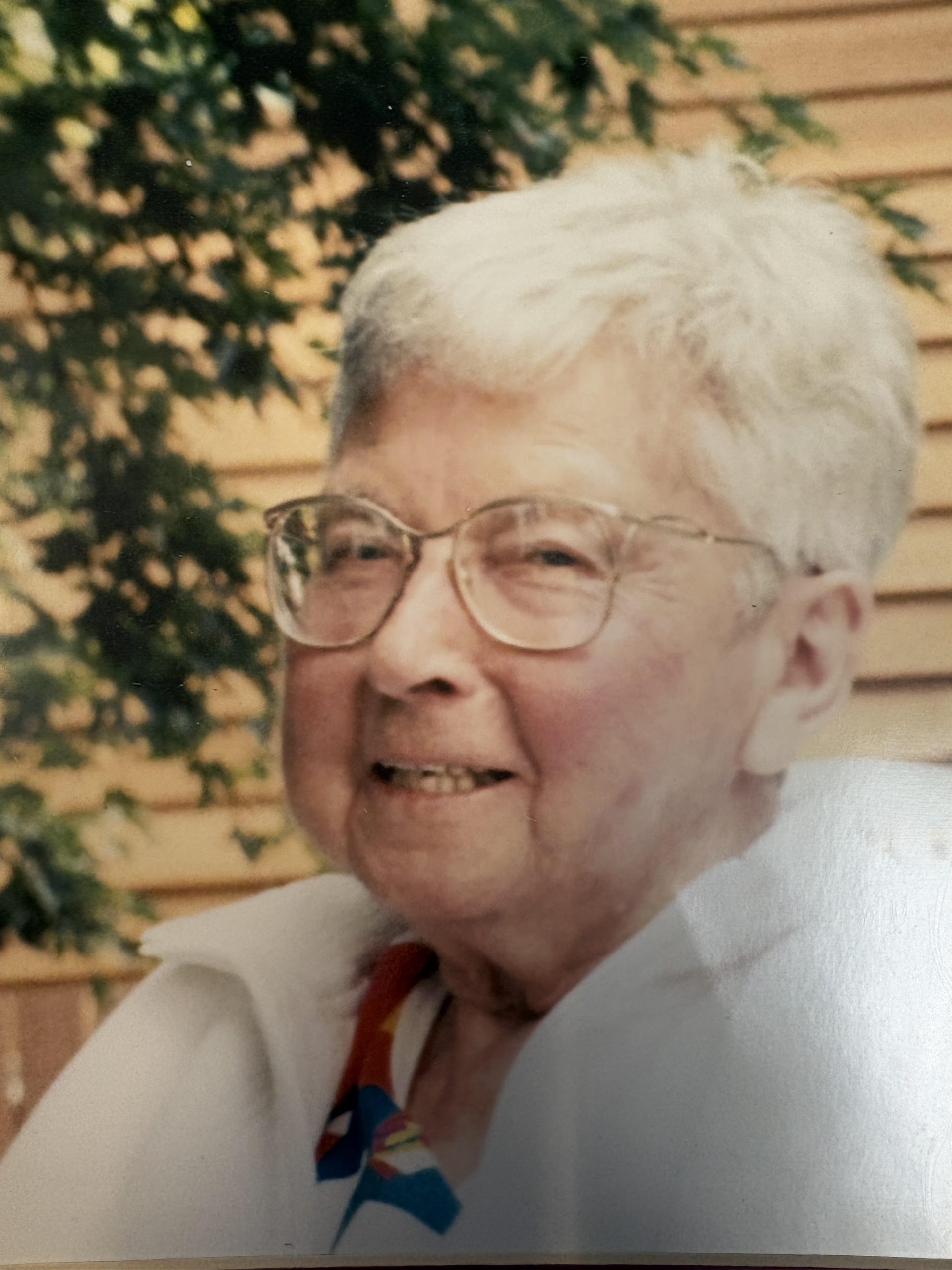
Harry Boothman
Trailblazer for parks, combined parks and recreation departments and innovation in parks design
Harry Boothman immigrated from England in the 1950’s and procured the position of horticulturalist with the City of Calgary Parks Department. He was involved in the Alberta Recreation Association in the 50’s particularly with his counterparts from larger municipalities.
In the 50’s and 60’s, Parks was usually a part of Infrastructure departments in municipalities and in government departments. Harry from his earliest time as a horticulturalist thought that trees and children should grow together and that parks should contain fields, not just flowers and that grass was “for walking on!” He became parks superintendent in 1960.
He and a colleague, Dr. Elsie McFarland advocated through the ARA and others that parks and recreation in the Government of Alberta and in municipalities should be one department. In Calgary, in the late 60’s, when Calgary Parks/Recreation Department was formed, Harry insisted that the department have a slash(/) in the name not an “and”. He did not want one to be perceived as more important that the other. He was the first Director of Calgary Parks/Recreation. The Canadian Parks and Recreation Association was initially CP/RA because of the influence of Harry.
Harry was involved in CPRA as president (1966-1968) and also provided cross country seminars for CPRA around this time period. Although Harry did not remain active in ARPA, he was an occasional conference speaker. He ensured a membership was always held in Calgary’s name and that staff who became involved in ARPA as board members were supported.
Harry was very involved in the design of many Calgary parks, spearheaded tree planting throughout the city in the 60’s and 70’s and took a lead in the development of the Planetarium and Confederation Parks (both centennial projects). He also advocated for the Zoo, Heritage Park, pathways and facility development. He died on his way to work in 1976.
The Harry Boothman Bursary was established to honour the contributions of Harry Boothman to the parks and recreation sector and is awarded by the Canadian Parks and Recreation Association.
The Harry Boothman Bridge is a popular pedestrian and bicycle bridge spanning the Bow River in Calgary. It is a key link in the city’s multi-use pathway system (which Harry began) and connects the north and south river banks through historic Edworthy Park (where the Boothman family lived until his death).
The Boothman legacy continues!
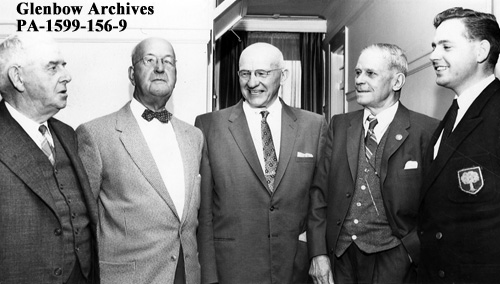
Jack Boddington
Trailblazer is sport development in Alberta, Recreation, Life Saving and public speaking
Like many of the other pioneers of recreation in Alberta, Jack Boddington, after serving in the war, immigrated from England to Canada in the mid 1950’s.
Jack’s first recreation job was in Grande Prairie (then a town). In 1958 when ARPA expanded its membership categories to include Municipal members, Grande Prairie was the first municipality to join.
Jack, in the early sixties became the recreation director of the town of Jasper Place before its amalgamation with Edmonton in 1964. He remained a recreation director for the City of Edmonton and played a major role in the beginning of Fort Edmonton Park, the Muttart Conservatory and the Kinsmen Aquatic Centre.
Jack Boddington was president of ARPA in 1963-1964, and active in the association in the 60’s, 70’s and 80’s. His interests in swimming, lifesaving and water polo are legendary. He travelled the world competing in World Master Games in Swimming. He was president of the Canadian Polo Association for the 1976 Olympics in Montreal. He was inducted into the City of Edmonton’s Sports Hall of Fame in 2010.
Besides a phenomenal sports background and leadership skill in municipal parks and recreation, an additional skill Jack brought to ARPA was a great speaking ability. He was a member of Toastmasters and spoke with authority and humour. He was a conference speaker for ARPA often in the 60’s and 70’s, MC at conferences and special events, and often called upon to present awards to colleagues.
At his induction to the Edmonton Sports Hall of Fame, Jack said “I have enjoyed my life through sports. The achievement of tasks, obligations, work, coaching, captaining teams have given me so much self-satisfaction that the only thing I can leave with a clear conscience today is: Don’t sit on the fence and think about it. Get off the fence and do it!”
Jack was an inspiration to all who knew him – he spoke with authenticity, he lived actively and he mentored those that followed!
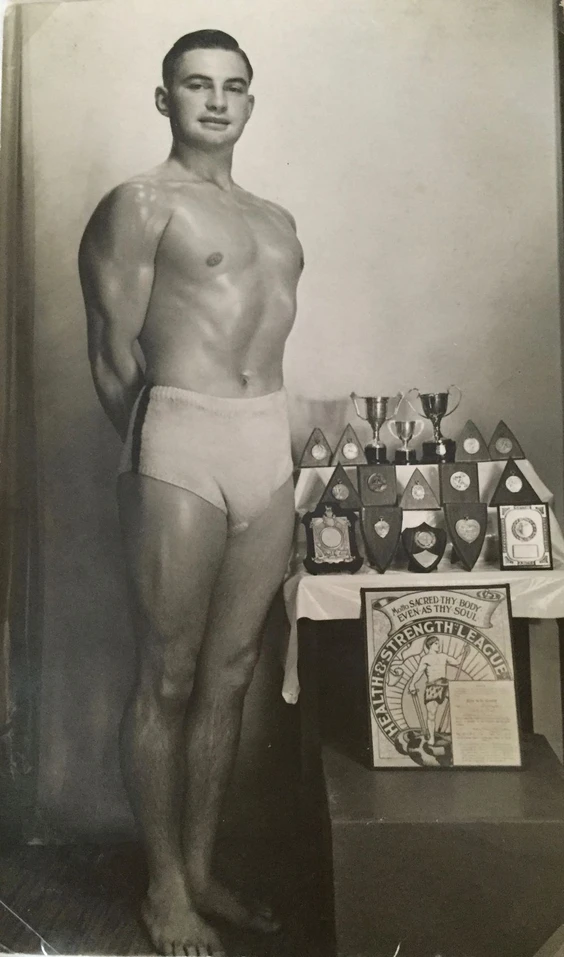
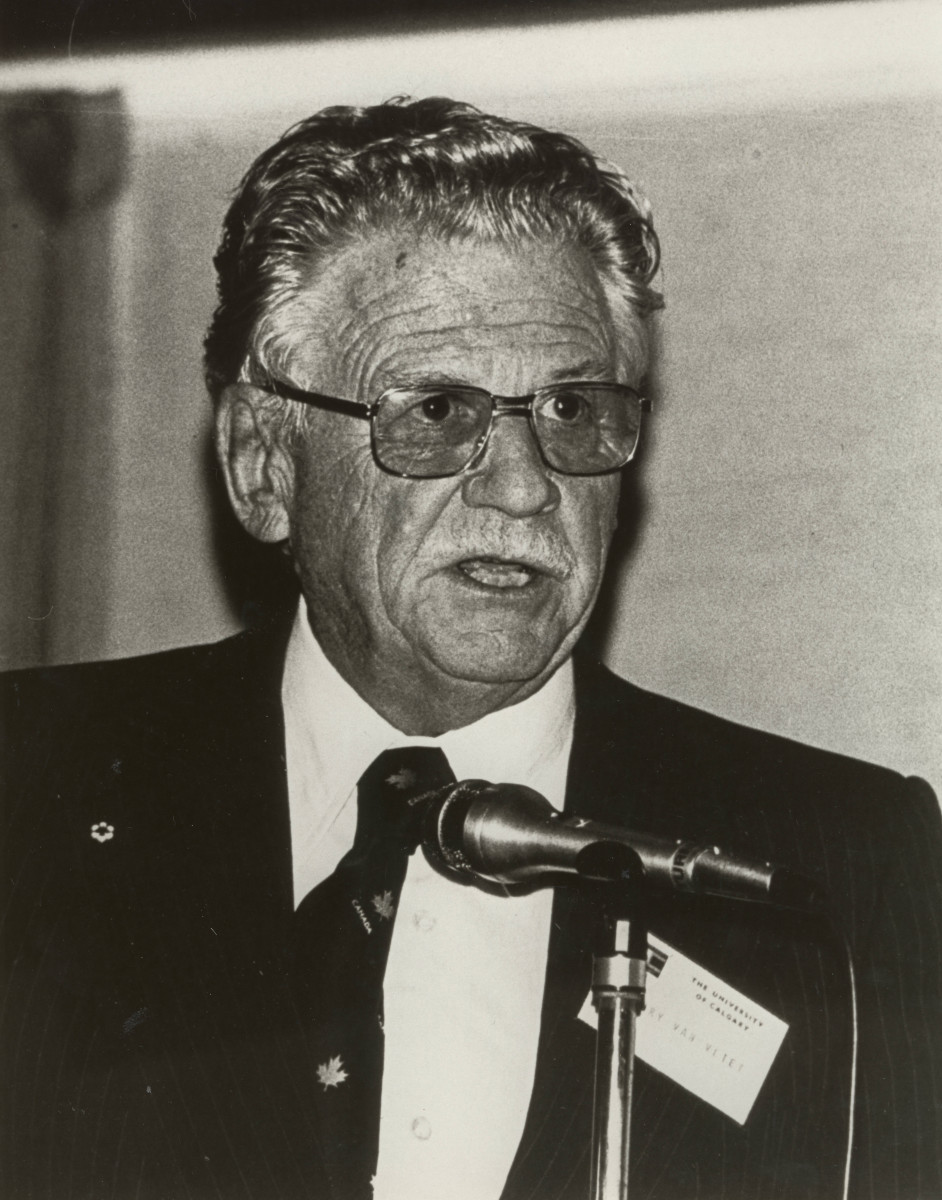
Maury Van Vilet
Trailblazer in education, recreation administration, sport development and the sports hall of fame.
Dr. Van Vliet was a sports advocate, educator and builder of sports, physical education and recreation and organizations throughout Alberta and Canada.
He was born in Washington state, and attended the University of Oregon (BSC 1935: Masters of Science 1940) and the University of California, Los Angeles (Doctor of Education 1950.
He declined an offer from the New York Yankees in order to become a one-man physical education staff at the University of British Columbia in 1935. In 1945 he moved to Edmonton to become a full professor at the University of Alberta. His career at the University of Edmonton spanned 33 years
Maury was an early member of ARA and president in 1951-53. After the first annual meeting of the Association on May 3, 1952 he acted on the following resolutions
- Asked the government of Alberta to appoint a Director of Physical Education and Recreation for the province
- Endorsed a proposal for affiliation with the national parks and recreation association
- Requested the government of Alberta improve their financial support for recreation programming and facilities by providing per capital grants to municipal governments
- Formed an education committee to approach the University of Alberta with a request to establish recreation degree program
Under Dr. Van Vliet’s leadership at U of A, Physical Education was expanded to become a full department with a degree curriculum. In the sixties a degree in recreation administration was added (as advocated ..by ARPA). The School off Physical Education became a Faculty in 1964. Maury served as Director, Chairman and Founding Dean from 1946 to 1978. He was President of the Commonwealth Games in 1978. The successful staging of the games brought world recognition to the university, the city and the province. Maury, for his leadership in physical education in Canada was awarded seven Honorary Doctoral degrees by Canadian Universities
Although Maury was involved in many associations (including being a founding member of CAHPERD), he continued to support Faculty and student involvement in APPA. In 1981 when he was appointed chair of the Sport Policy Development committee he ensured appointment of an ARPA member to that committee.
Dr. Van Vliet has a legacy of degrees, awards, recognition and even a U of A building that bears his name.
His legacy and generosity also resulted in the opening of the Alberta Sports Hall of Fame in 2015.
The Van Biezens
Trailblazer for aquatics, sports, facility development and spirit
Ted Van Biezen with his wife and two young sons immigrated from the Hague, Netherlands in 1953. He originally settled in Calgary with family and then felt fortunate to be offered a recreation position in Three Hills Alberta.
He joined ARA shortly after and shared his enthusiasm for learning with all. One of Ted’s proudest moments in his early career was building the pool in Three Hills. It became a family affair, with Betty teaching lessons and the boys participating. As Ted learned, he expanded programs, sports and facilities in Three Hills. He always acknowledged other’s role in his success and shared information with friends in ARPA via newsletters or coffee chats.
Ted was an advocate for learning, seminars, conferences and camaraderie. In the early years he wrote many conference resolutions to benefit recreation and programming is small communities. He served as president of ARPA in 1964-65. He worked his entire career in Three Hills and stayed active in ARPA until the mid 80’s. He received many awards from the Government of Alberta for his work in parks and recreation and the Wild Rose Award from ARPA in 1982.
He mentored many in the 60’s and 70’s and was so very proud when his son Rob chose a career in aquatics.
Rob Van Biezen
The fun continues.
As soon as Rob could drive he lifeguarded in surrounding communities. He had a 39 year career with the City of Calgary in Parks and Recreation and then Facilities. He rose from a lifeguard to swimming pool manager and managed the retro-fit or many of the city’s older aquatic centres.
It is said that Rob got the job done but paid particular attention to stress levels during difficult situations and could diffuse any crisis with caring and humour.
Rob was often at ARPA conferences sharing his expertise and knowledge of facilities. He was a frequent ARPA casino volunteer.
Rob was involved in the Airdrie 2014 Summer Games and chair of the Alberta plus 55 Games in 2009. He served as Vice President of the Airdrie Minor Hockey Association. President of the Ringette Association and soccer coach. He sat on the Community Services Advisory Board for 18 years and often represented sport, recreation and facilities at Airdrie Council meetings. In 2012, he was awarded the Soul of Airdrie Volunteer Volunteer Award.
We pay tribute to another Father/Son team who contributed to recreation, parks and community service in Alberta and to The Alberta Recreation and Parks Association.
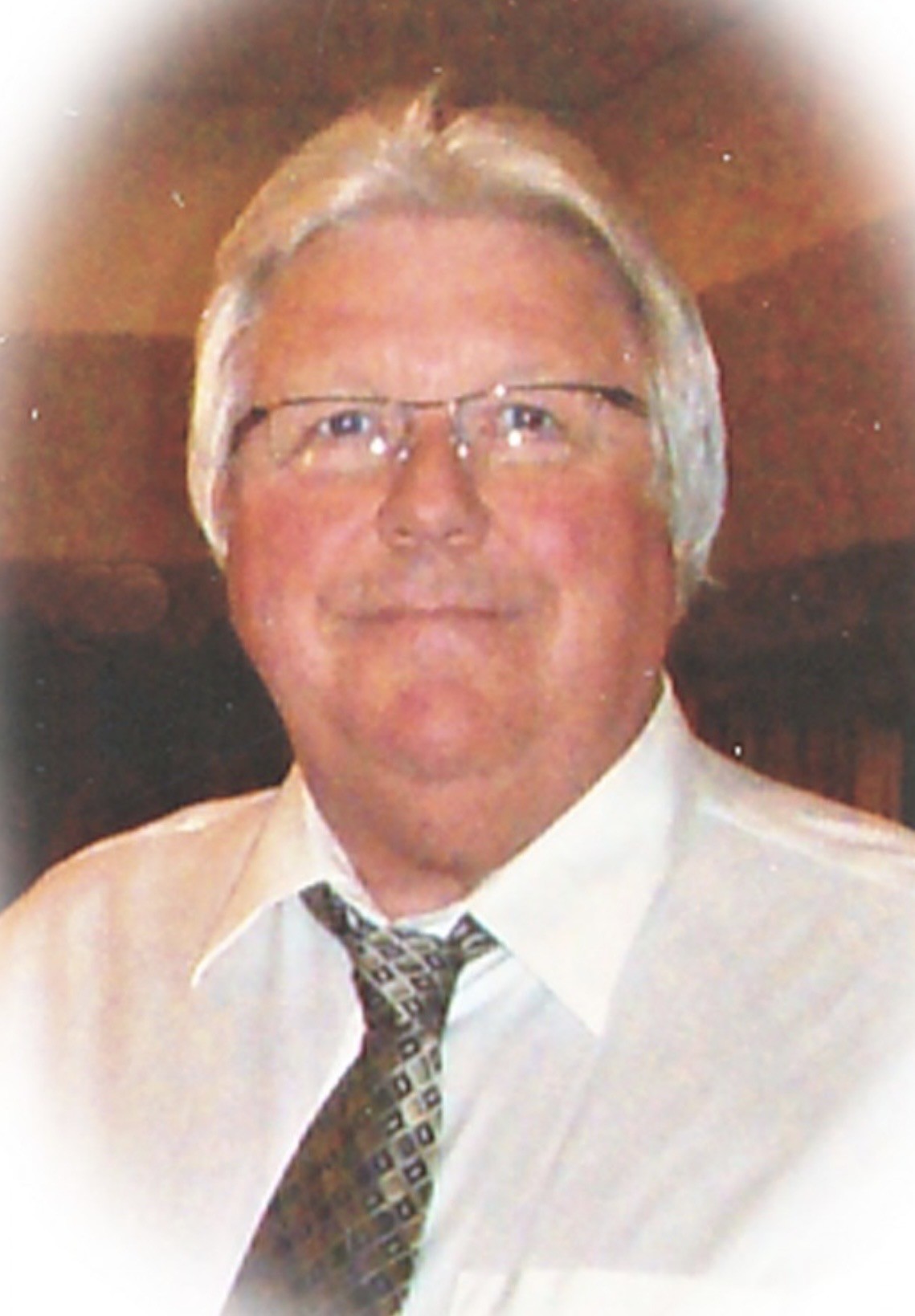
The Debneys
Trailblazer in sports, aquatic training, regional recreation associations and Games
George Debney (born in 1928) spent 25 years in the military. He was part of the Physical Education and Recreation Instructors (PERI) during his service. After leaving the military he became the recreation director for the Drumheller Penitentiary.
In the 1950’s, municipalities started to hire recreation directors. They usually considered local sports athletes or coaches. They often attracted hockey or baseball players to strengthen their senior teams and then created positions for them to lead recreation programs or facilities. George left his position at the penitentiary for a long career in Drumheller and then Ponoka.
Dr. Elsie McFarland, in her position of Director for the Department of Youth, Government of Alberta (in cooperation with ARA) created a certificate for Recreation Directors. George and many other pioneers in recreation participated in that program. George credited the programs for expanding his knowledge from aquatics to all forms of sport and recreation.
George served the Alberta Recreation Association and later ARPA as a volunteer, conference speaker and resource. He travelled the province to train instructors for the Red Cross and lifeguards for the Life Saving Society. He helped form a regional association for south central Alberta and was and advocate and supporter for the Summer Games.
Gary, his son, grew up in and around sport and recreation and continued the family tradition of a long career in recreation and parks.
Gary Debney
After receiving a Leisure Education Diploma from Mount Royal College, Gary continued his academic career with a Masters degree in Business Administration from City University in Bellevue Washington.
Gary began his career as Regional manager of Professional Environmental Recreation Consultants LTD before creating his own company, Community Development Consultants in 1980 to provide human services consulting to the community services industry. Since 1988 Gary has worked as a Recreation Management Instructor with the Department of Recreation Studies and Business Administration at Mount Royal College (now University) where he established an applied degree for Small Business Entrepreneurship Sport and Recreation. Gary’s professional experience is rooted in his academic achievements.
Gary also has extensive volunteer experience at the local, national and international
Level. In the mid 80’s as treasurer and president of ARPA, Gary was instrumental in creating fiscal sustainability for the association; many feel this was a crucial turning point for ARPA. Gary then turned to CPRA where he served two terms as treasurer and one as president (1992-1993) and championed the Canadian Playground Safety Institute Programs. Gary has once again returned to the CPRA Board of Directors serving as treasurer.
He also served on the Recreation for Life Foundation for five years. Gary’s passion to blend work and play is perhaps best expressed through his current work with the Emmanuel Foundation for Recreation and Education Development to recycle Alberta playgrounds for use in developing countries. Gary then realized that children in our own Canadian communities do not necessarily have opportunities for play themselves. This led to the creation of an additional program in 2005 called “Let them be Kids”
George and Gary Debney have certainly left a legacy of leadership for recreation and parks in Alberta and Canada.