HIGH FIVE: Bringing Quality Assurance to Children’s Recreation
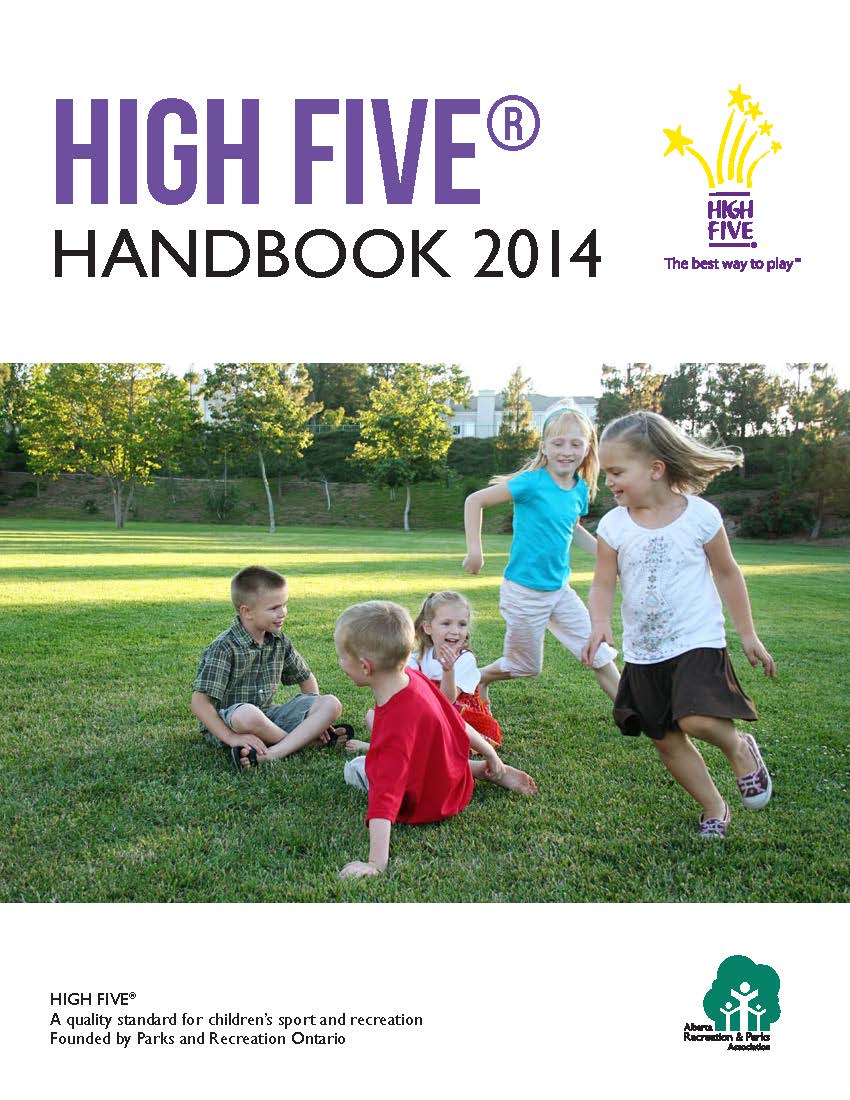
One of the significant developments in recreation programming at the turn of the century was the emergence of HIGH FIVE®, a quality assurance framework designed to improve the experience of children participating in recreation and sport.
HIGH FIVE was developed by Parks and Recreation Ontario (PRO) through the 1990s and formally launched in November 2001. Its development was grounded in research on healthy child development and shaped through practical experience with demonstration sites and recreation professionals.
At its core were five principles considered essential to a positive recreation experience: a caring adult, friends, play, mastery and participation. The premise was straightforward: children benefit most when recreation programs provide opportunities to build relationships, develop skills, experience success, participate meaningfully and, importantly, have fun.
HIGH FIVE was more than a curriculum or a particular recreation program. It was designed to provide training, assessment tools, policies, procedures and resources that organizations could use to examine and improve how they delivered programs.
In 2001, ARPA reviewed, with Parks and Recreation Ontario, the opportunity to become involved in franchising HIGH FIVE to ARPA and other provincial and territorial recreation associations. This was part of a broader effort to establish HIGH FIVE as a national standard for children’s recreation programs. The initiative reflected an important shift in the sector: quality was increasingly being defined not simply by the experience and developmental outcomes of the child.
The national launch took place on November 20, 2001, marking the transition of HIGH FIVE from a development project into an established program.
In 2006, ARPA became an authorized provider of HIGH FIVE in Alberta. The role allowed ARPA to bring the framework, training and quality-assurance approach to recreation organizations across the province. HIGH FIVE was one of the major new initiatives contributing to a significant period of growth and new programming in 2006.