ARPA Leadership Ignites the Benefits of Recreation Movement
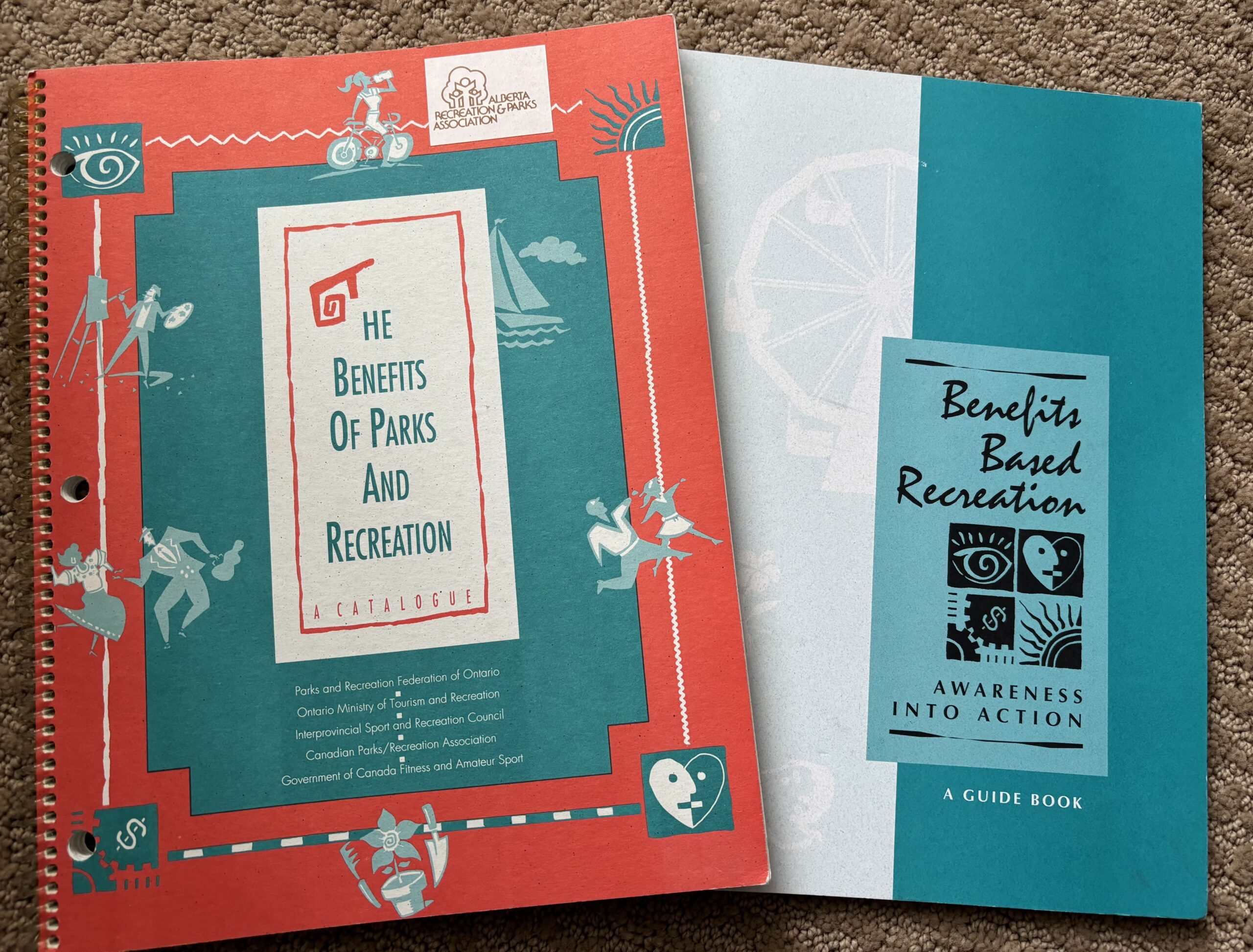
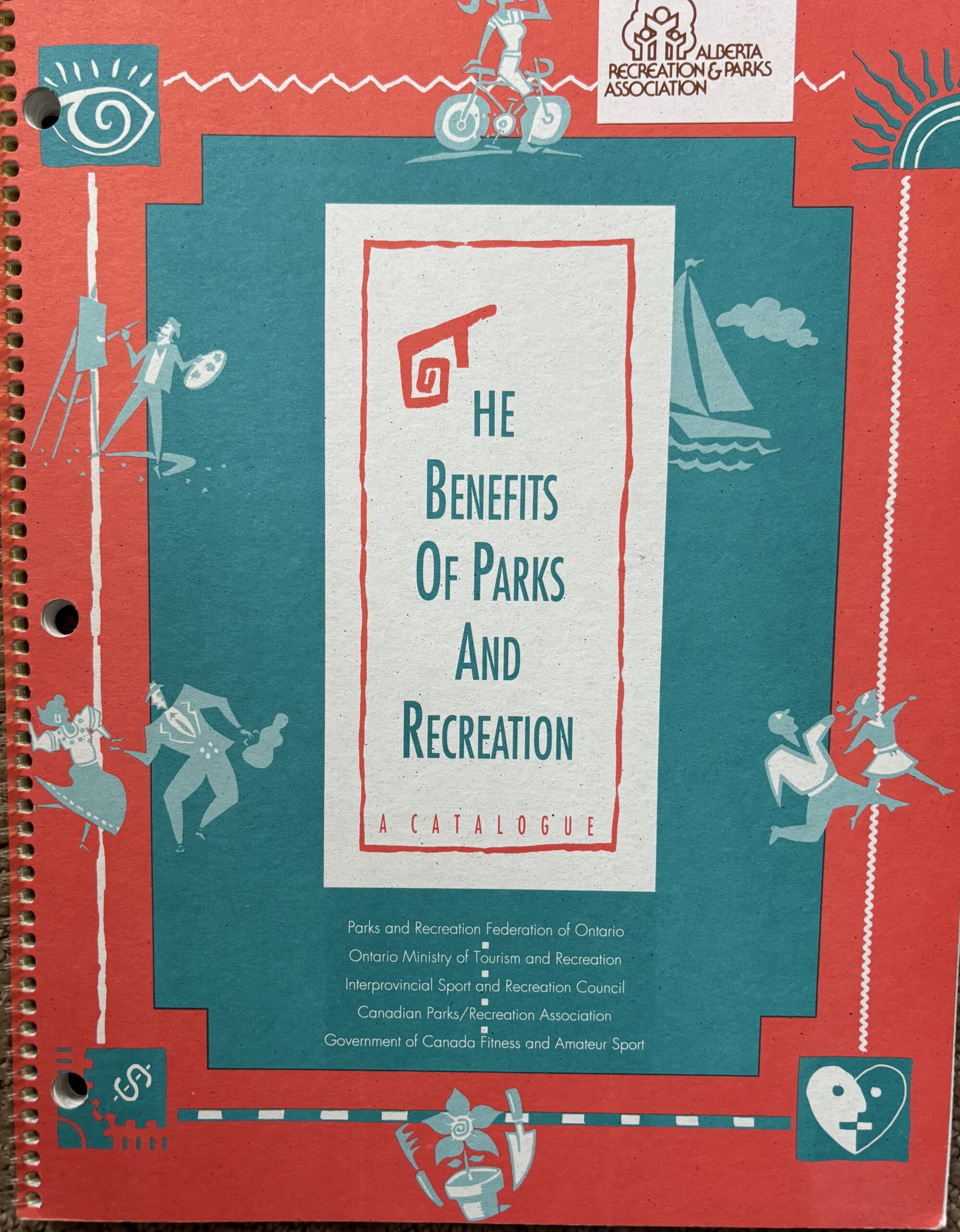
Volunteers and staff of ARPA played a significant leadership role in the development of the benefits of recreation movement. At a crucial time when the value of recreation and parks were being challenged ‘The Catalogue’ (The Benefits of Parks and Recreation: A Catalogue, 1992) compiled through the Parks and Recreation Federation of Ontario provided proof of the ‘value’ that parks and recreation could deliver. The question now was how to utilize this evidence to support recreation especially in the public sector! ARPA stepped up creating an advocacy toolkit to communicate this important research and its significance to communities, elected leaders, funders and recreation staff (Alberta Benefits of Recreation Kit, 1994). This was used extensively in public speaking, budget presentations and marketing however this was not enough. We were out there promoting the value of recreation and parks but were tools in place to ensure that we were delivering that value?
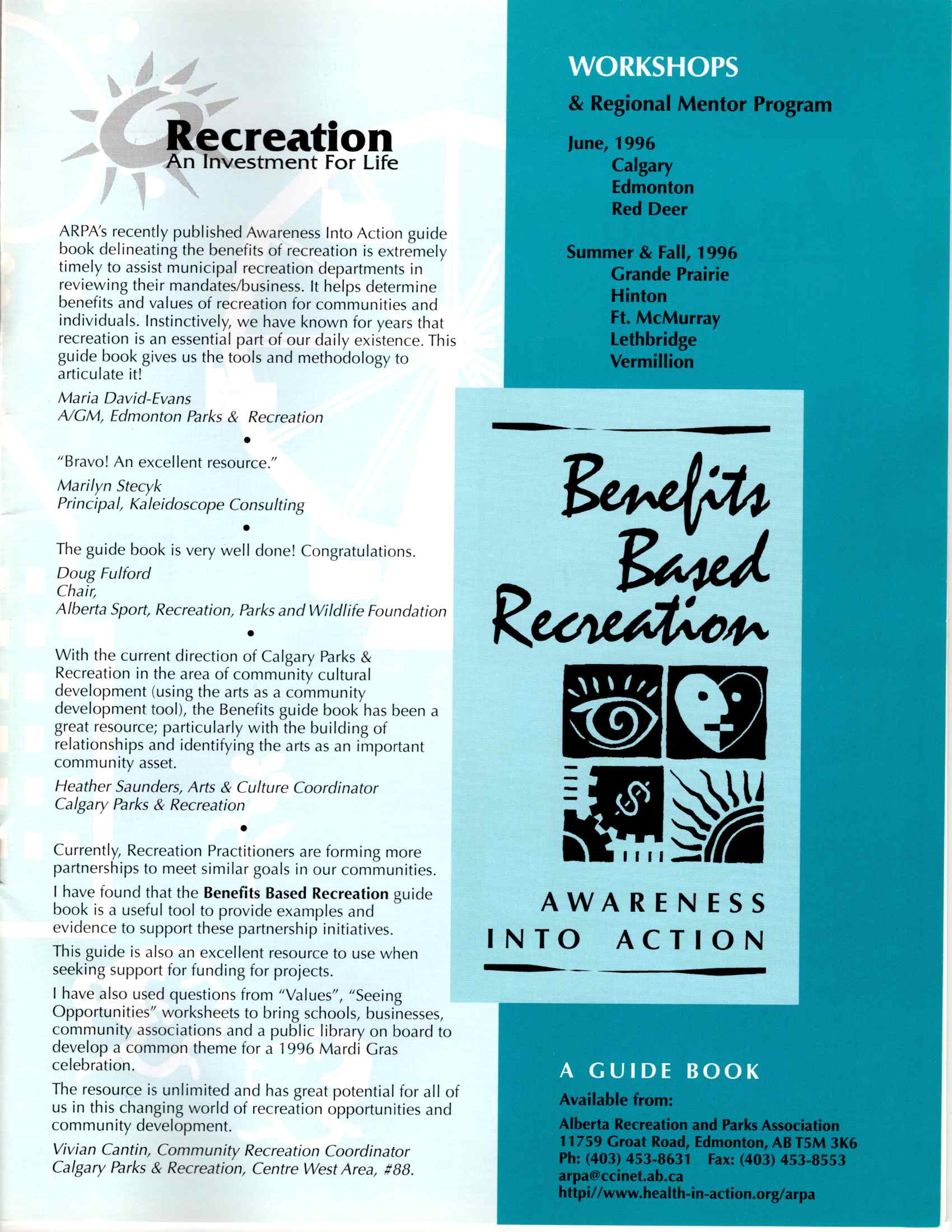
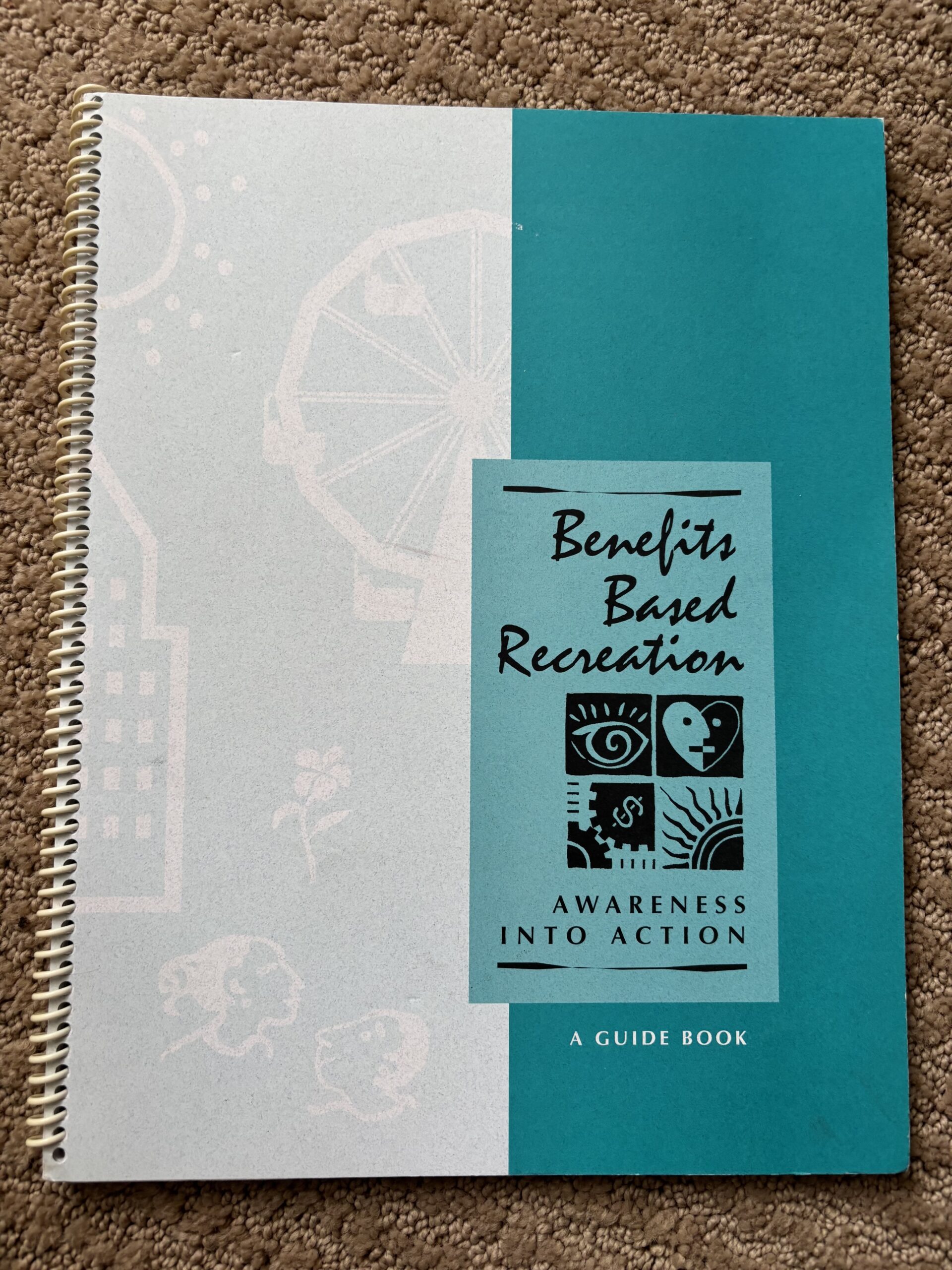
ARPA communications and advocacy committees recognized a gap in education and practical tools. If we were going to claim ownership/take credit for these benefits, we must ensure that we were in fact delivering these positive outcomes. Carol Petersen, Kate Sparrow and Barb Hill provided leadership in the development of a guidebook to support recreation professionals implement an outcomes/ benefits approach (Benefits Based Recreation: Awareness into Action, 1996).
Emphasizing recreation as the means to important outcomes was key in sustaining investment in Recreation and Parks. Professionals, elected leaders and the community needed to understand that positive outcomes can be the result of intentional action in all aspects of recreation delivery: programming, planning, marketing, evaluation, park development, facility operation and more. As well, community development had the potential to deliver personal and community benefit and provide a strong base to deliver services!
In addition to the development of resources, educational sessions were provided at ARPA conferences, through regional workshops and sponsored by major municipalities. In Alberta, the ability to implement this revitalizing approach varied from one community to another based on where they were at with local restructuring, budget cuts and priorities. Significant change in local leadership sometimes led to positive renewal and other times total dismantling of departments.
In communities and provinces where there was a will to reimagine their communities, workshops, slide decks and tool kits were in high demand. The concepts that were introduced would be entrenched through action. ARPA would later develop a number of flagship initiatives that supported leadership development at the grassroots level, moving awareness into action using community development and outcomes-based processes. Through the ACE Communities initiative, ARPA helped move the updated 1997 Benefits Catalogue to an online version (Benefits HUB) that was kept up to date in partnership with the Leisure Information Network (LIN).
“The benefits movement really qualified the value of what I was doing as a career. Itgave me energy and propelled me to enable others (communities and individuals) to use their recreation and leisure in ways that were of greatest value. What I loved to do was now proven to be not only meaningful but essential to individuals and communities too!!” – Carol Petersen